



Bends, Doesn't Break.
AquaLastic® Water Infrastructure Repair System
High-performance preservation systems engineered to seal Agricultural Canals, Aquaculture Facilities, and Dams with a permanent, monolithic bond.
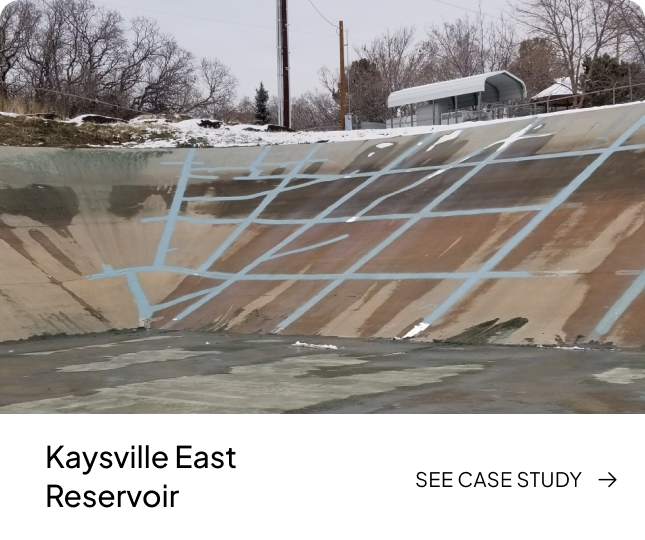
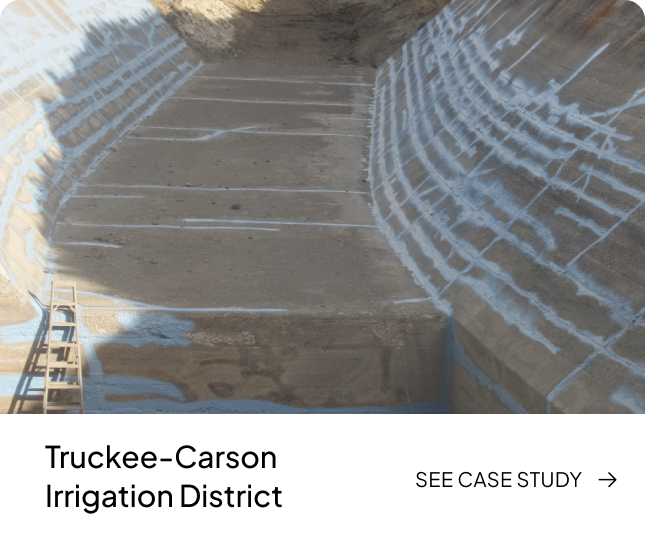
Kaysville, UT
Key Challenge
Severe concrete liner seepage causing massive, unmanaged water loss.
The Result
Reduced seepage from seven inches to less than one-quarter inch.
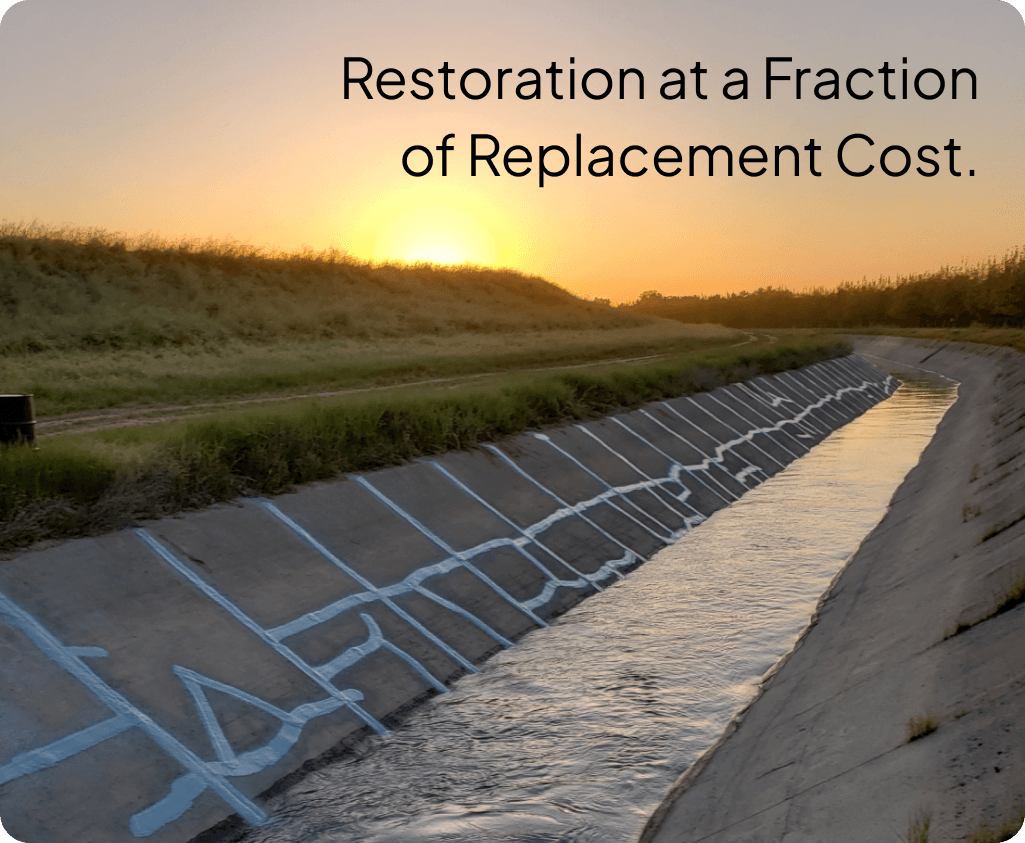
Infrastructure replacement can cost 10x to 20x more than a professional AquaLastic® restoration.
Rebuilding from scratch requires massive excavation, material disposal, and weeks of operational downtime. This financial burden often leads to "deferred maintenance," which only accelerates structural decay and water loss.
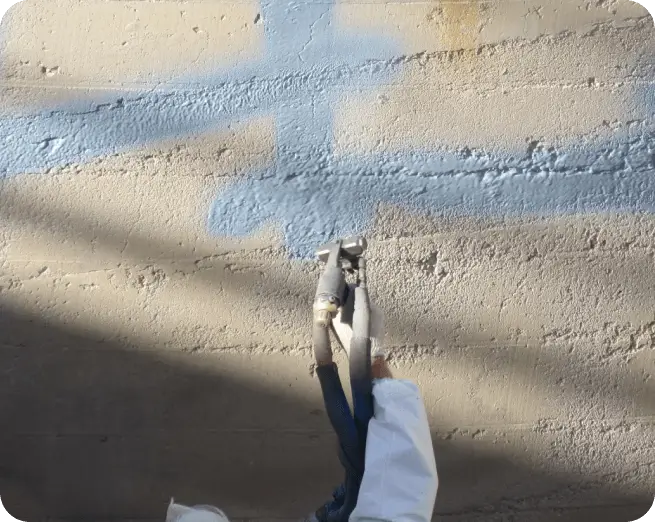
AquaLastic® halts this degradation with a high-performance, seamless thermal-fused barrier. This 900% elastomeric liner eliminates 98% of seepage, reclaiming water and extending asset life by decades at a fraction of new construction costs.
STRUCTURAL STABILIZATION
Engineered Solutions for High-Demand Environments
- Concrete
- Steel
- Wood
- Fiberglass
- Geotextiles
Testimonials
Coming in 2026
Aqua Pipe™ Structural Pipe Lining
Expanding our restoration capabilities from open canals to closed-conduit systems.
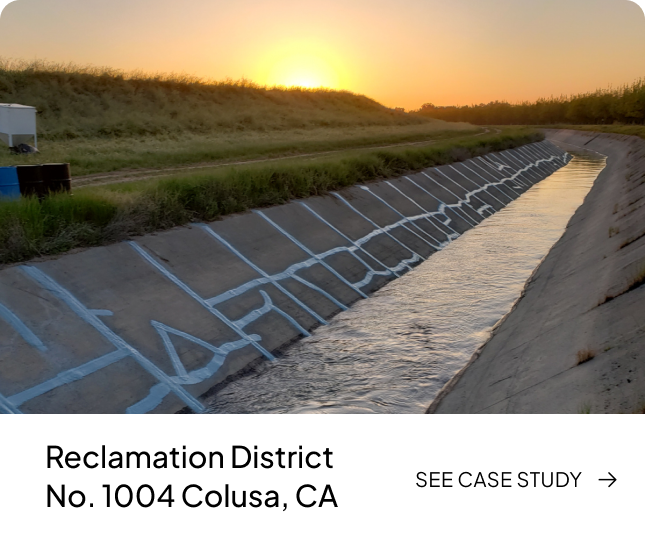
Agricultural Canals & Irrigation
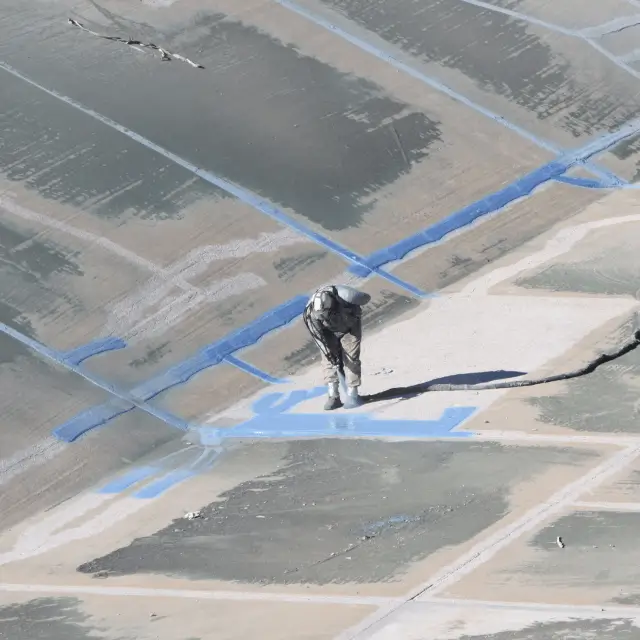
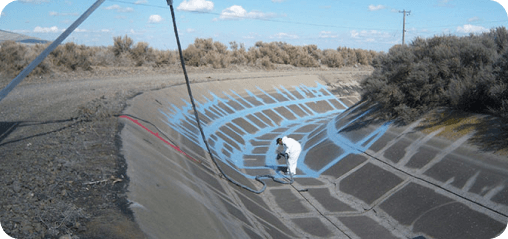
Immediately stop water loss and eliminate seepage in earthen, wood, steel and concrete delivery systems.
How We Protect Your Water?
Stop Seepage & Recover Revenue
Aging irrigation systems suffer from more than just leaks; surface degradation increases friction and slows water delivery. Our restoration smooths the internal substrate, significantly improving flow capacity and restoring the original design flow. This efficiency allows districts to deliver more water in less time, directly increasing billable revenue per cubic foot.
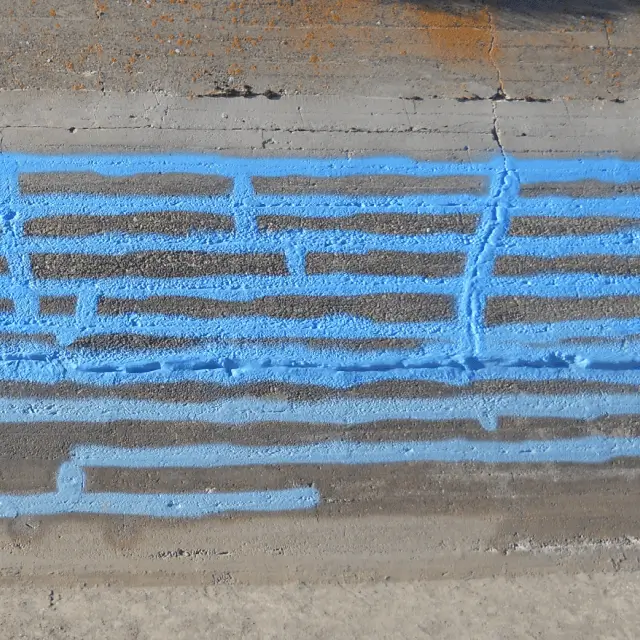
High-Flex "Active Crack" Bridging
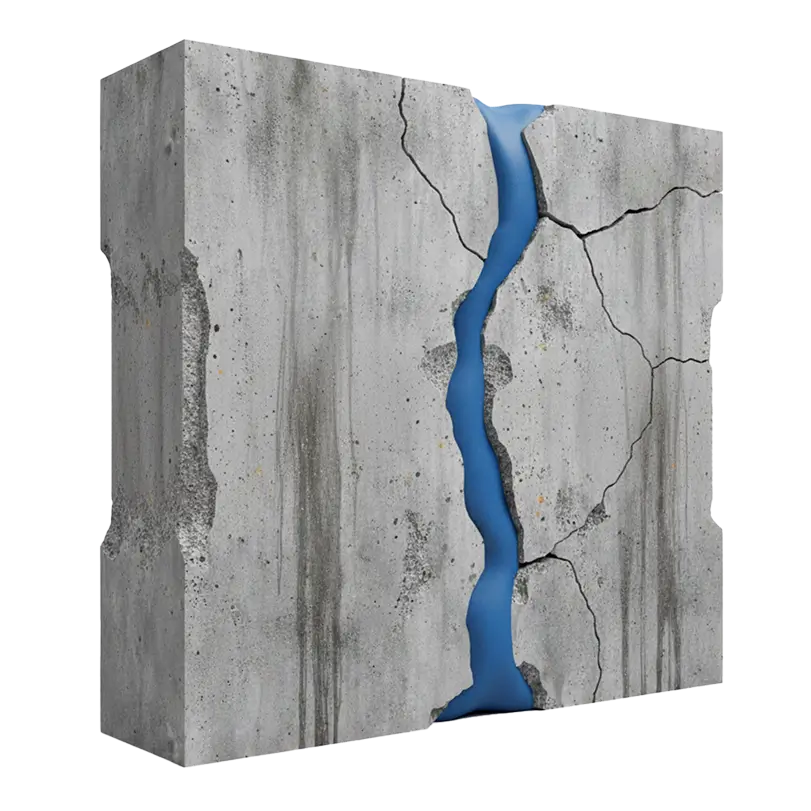
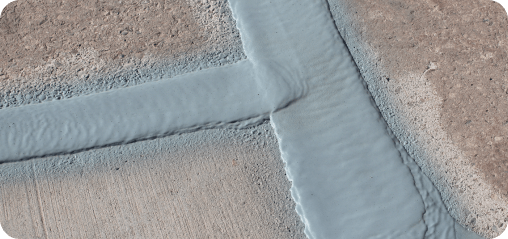
Thermal cycling in agricultural regions causes concrete joints to expand and contract daily, rendering traditional repairs useless. The AquaLastic® system is engineered with high-modulus flexibility to survive these active cycles without separating from the substrate. This creates a permanent, monolithic seal that accommodates structural movement while maintaining a watertight barrier against water loss.
The Geotextile "Dirt-Ditch" Solution
Transitioning from earthen to lined canals typically requires massive excavation and concrete pouring. Our specialized composite method creates a reinforced barrier that provides the performance of a concrete liner without the heavy equipment overhead. This application provides instant erosion control and prevents the invasive vegetation growth that restricts flow in dirt-ditch systems.
Aquaculture & Fish Hatcheries
Creating Biosecure Environments through Pathogen Control
Transform porous, high-risk concrete into a medical-grade, easy-to-sanitize aquatic environment.

100% "Fish-Friendly" & Inert
Unlike traditional epoxy or solvent based coatings that can produce loose fragments from cracking or leach toxic chemicals into the water, AquaLastic® is a 100% solids, zero VOC polymer that doesn't crack or leave particulates in the water. Once cured, the material is completely inert and safe for sensitive aquatic species, meeting the highest standards for critical biosecure aquaculture environments.

Pathogen Resistant Barrier
Raw concretes porous surface and known characteristic of cracking, allows microscopic pockets and pathways for pathogens to harbor or travel through to adjoining bodies of water. Our thick, durable elastomeric, sealant, seals these capillaries and pathways preventing cross contamination and simplifying the sterilization required for ongoing safe and high yield fish production.

Non-Abrasive Surface Protection
Rough concrete textures cause fish abrasions, leading to stress and infection. AquaLastic® cures into contact friendly, elastomeric surface that protects delicate specimens from injury, ensuring the crowding or harvesting processes do not create a hazardous environment for the stock.

Easy-Clean Maintenance
The seamles, high density surface, allows for consistent cleaning and sanitation, reducing traditional operational cleaning and maintance times at aquaculture facilities.
Compliance
100% Solids | Zero VOCs | Non-Leaching.
Compatibility
Concrete Raceways, Fiberglass Tanks, and Steel Holding Pens.
The AquaLastic® Difference
Unlike traditional spray applied coatings, The AquaLastic® technology is processed and applied at high temperatures, allowing it to become dry to the touch within seconds. This allows you to return tanks to service immediately, eliminating downtime and minimizing disruption to your hatchery cycles.
Spillways & High-Flow Channels
High-velocity water flow creates a "lifting" effect on damaged concrete. Water enters surface cracks and joints, creating hydraulic pressure that can peel away standard coatings and cause catastrophic slab failure.
The AquaLastic® Fix:
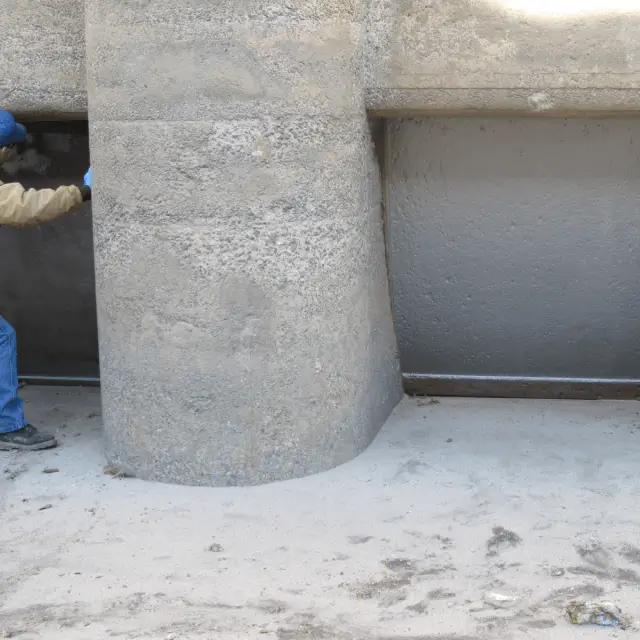
Our seamless thermal bond integrates directly into the substrate. It creates a durable shield that prevents water from migrating under the surface, effectively sealing and unifying the concrete structure against high-velocity flows.
Concrete Face Dams & Reservoirs
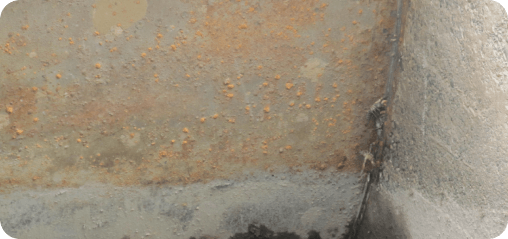
Massive structures are subject to constant shifting and thermal stress, leading to deep structural cracks. Under heavy hydrostatic pressure, even minor leaks turn into high-volume seepage that threatens the stability of the entire concrete face.
The AquaLastic® Fix:
Utilizing high elastomeric chemistry, the membrane functions as an industrial-strength flexible bridge. It stretches across shifting cracks while remaining watertight under constant pressure and substrate movement.
Intakes, Penstocks & Gates
Steel and concrete components in high-flow intakes face constant cavitation, corrosion, and debris impact. Over time, surface roughness increases friction, reducing intake efficiency and leading to expensive structural thinning.
The AquaLastic® Fix:
An impact-absorbing armored finish. It provides a smooth low friction surface that improves water flow while providing a durable barrier that protects valuable concrete and steel assets.
FAQ
How does Aqualastic application differ from standard industrial painting?
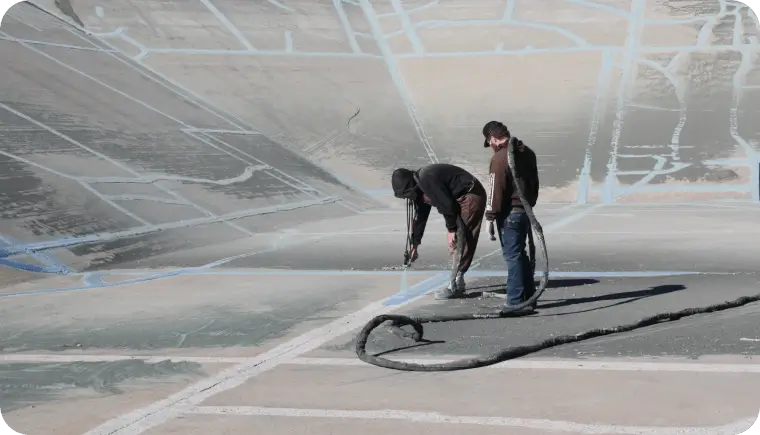
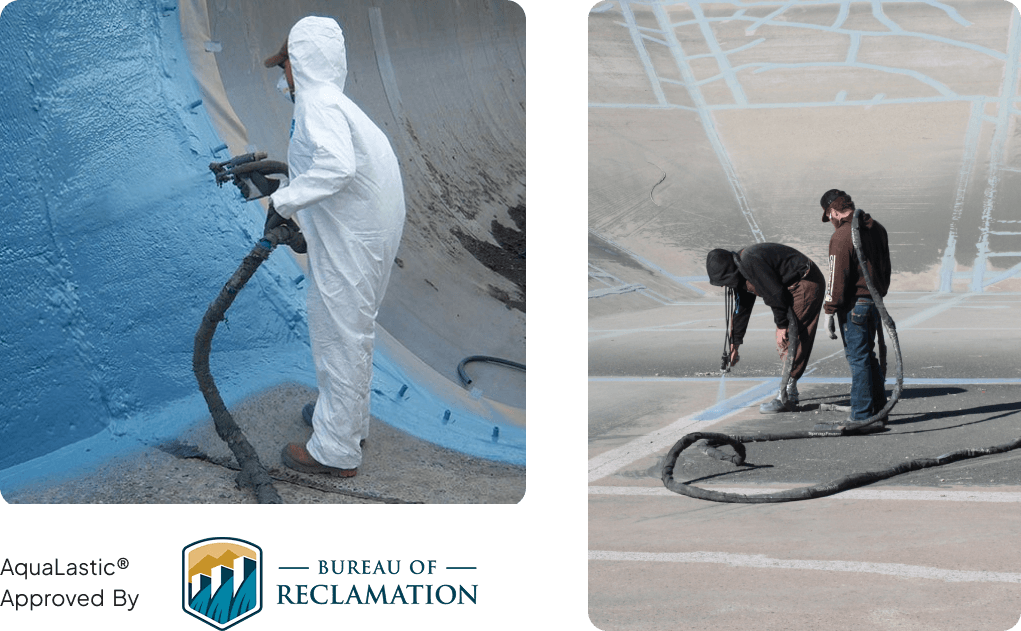
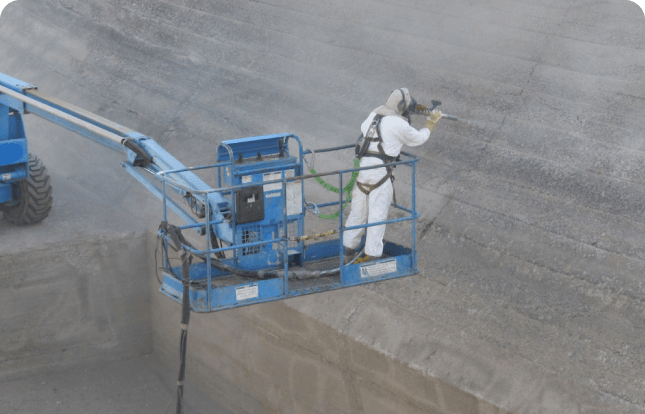
Aqualastic forms from a thermal set process that starts from a immediate chemical reaction when 2 polymers are mixed together under heat and pressure. This allows AquaLastic® to be applied at any thickness at one time, is dry to the touch within seconds and results in a flexible, extremely durable (can be driven on) sealant that can take decades of water flow over the surface.
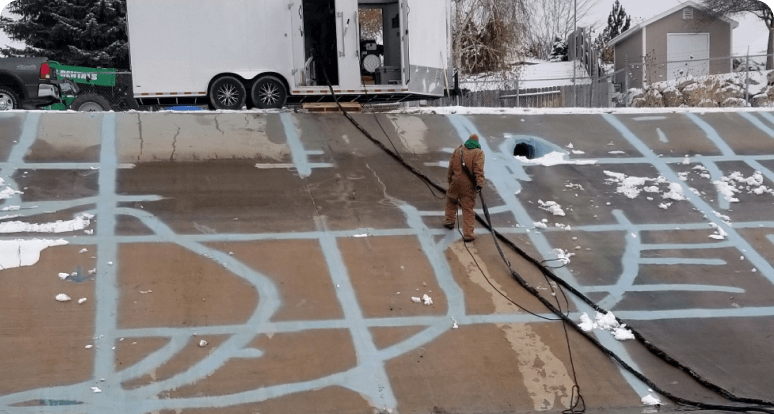
Can AquaLastic® be applied during cold weather?
Yes, our specialty designed installation rigs are designed for year round applications. The equipment heats the individual polymers to 170F during installation, which prevents the ambient air temperature from effecting the in field processing of AquaLastic®. Applications have been done in sub-zero temperatures.
What is the expected service life of an AquaLastic® restoration?
The system is engineered for long-term infrastructure lifecycle extension. With a proven track record of over 30 years in the field, it is designed to withstand the harsh elements, expansion and contraction of substrates and constant abrasion from flowing water without separating or cracking.
Is the material safe for drinking water and sensitive aquatic life?
Absolutely. AquaLastic® is a 100% solids, solvent-free polymer with zero VOCs. It is completely inert once cured, making it the industry standard for fish hatcheries, agricultural canals, and potable water reservoirs.
How much water can a district expect to save after application?
In verified field applications, our system has been proven to immediately eliminate >99% of water loss. The immediate and obvious results continue to be welcomed by owners and operators.
Does this system qualify for federal infrastructure or WaterSMART grants?
Yes. Because our restoration provides measurable water conservation and extends the life of public assets, it meets the technical criteria for many government funding programs. We provide the performance data required to support your grant application.
How soon can the asset be returned to service?
Because the thermal reaction occurs instantly, the material reaches a dry to the touch state within seconds and can be exposed to water in just a few minutes. This allows for immediate water return and commissioning, minimizing operational downtime for critical infrastructure.